Northern California Small-Town Getaways: 2026 Ultimate Guide
Aug 24, 2026
Northern California’s best small-town getaways range from fog-cooled communities along Highway 1 to redwood river towns, walkable wine-country centers, and Gold Rush destinations in the Sierra foothills. This 2026 guide compares more than 15 places by travel style, approximate drive time, and ideal season, with practical advice for planning a coastal retreat, tasting weekend, or mountain escape.
No single destination fits every traveler. The Sea Ranch, Gualala, and Point Arena reward those drawn to architecture, trails, and the Pacific. Guerneville and Point Reyes Station place nature close to compact town centers, while Murphys and Northern California’s wine communities suit travelers who prefer tasting rooms and leisurely meals. The most satisfying weekend usually stays within one region and leaves room for the road itself.
For a Sonoma Coast base, The Sea Ranch Lodge pairs 17 guest rooms and on-site dining with access to the Bluff Trail. Its setting within a ten-mile planned community allows travelers to spend less time changing hotels and more time exploring coastal meadows, beaches, and neighboring towns (The Sea Ranch Lodge Rooms, The Sea Ranch Association).
Key Takeaways
-
Choose by region, not by checklist. The Sonoma Coast, Russian River, Marin coast, wine country and Sierra foothills offer distinctly different experiences. Combining distant regions can turn a restorative weekend into hours of unnecessary driving.
-
Use The Sea Ranch as a focused coastal base. Gualala and Point Arena fit naturally into a Sea Ranch weekend. Mendocino is a longer excursion and deserves a full day rather than being treated as a quick 30- to 45-minute side trip.
-
Understand trail access before setting out. The Sea Ranch contains more than 50 miles of trails, but its private routes are reserved for owners, their guests and eligible renters. Day visitors can use six signed public trails leading through coastal meadows to beaches and bluff views (The Sea Ranch Association Trails, Sonoma County Beach Access).
-
Treat drive times as estimates. Highway 1 is winding, and weather, roadwork and weekend traffic can lengthen coastal trips. Plan fewer stops than the mileage alone might suggest.
-
Reserve the anchors, then leave breathing room. Secure lodging, destination dining, wine tastings and ticketed attractions in advance, but avoid scheduling every hour. Northern California’s smaller communities are best experienced at an unhurried pace.
Why Choose a Northern California Small-Town Getaway in 2026?
Northern California’s smaller communities offer more than an escape from city crowds. Each region carries a distinct sense of place, from weathered coastal architecture and redwood riverbanks to vineyard-lined main streets and preserved Gold Rush buildings. The variety makes it possible to choose a destination around the experience you want rather than following a single list of must-see stops.
Along the Sonoma Coast, The Sea Ranch extends across ten miles of meadows, forests and ocean bluffs shaped by a design philosophy of living lightly on the land. Six designated public trails lead toward beaches, while additional routes are reserved for Sea Ranch owners and eligible guests (The Sea Ranch Association, Sonoma County Beach Access). Farther south, Point Reyes Station provides a practical gateway to Point Reyes National Seashore and its approximately 80 miles of shoreline (National Park Service). Inland destinations shift the experience again, with river recreation around Guerneville, tasting rooms in Healdsburg and Murphys, and historic mountain towns across the Sierra foothills.
Small does not necessarily mean empty. Summer weekends, wine harvest, holiday periods and seasonal events can still bring heavy demand. For a more relaxed trip, choose one region, confirm current road and trail conditions, and build the weekend around one or two anchor experiences. The sections ahead compare approximate drive times, seasonal considerations and travel styles so you can select a destination without turning the getaway into a race between towns.
Quick Reference: Northern California Getaways by Travel Style
Use this table to narrow your options by region, travel time and preferred pace. “Small-town getaway” is used broadly here to include compact towns, villages and planned coastal communities such as The Sea Ranch.
Drive times are approximate ranges from central San Francisco without extended stops. Traffic, weather, construction and winding sections of Highway 1 can add considerable time, so check current conditions before departing (Caltrans QuickMap).
| Destination | Region | Approx. Drive from SF | Good Fit For | When to Consider |
|---|---|---|---|---|
| The Sea Ranch | Northern Sonoma Coast | 2.75-3.5 hrs | Architecture, coastal trails, quiet retreats | Apr-May, Sep-Oct |
| Gualala | Mendocino County line | 3-3.75 hrs | Galleries, river scenery, coastal walks | Spring, early fall |
| Point Arena | Mendocino Coast | 3.25-4.25 hrs | Lighthouse visits, headlands, wildlife | Spring, fall, winter storm season |
| Mendocino | Mendocino Coast | 3.25-4 hrs | Historic architecture, galleries, bluff walks | Spring, early fall |
| Fort Bragg | Mendocino Coast | 3.25-4 hrs | Working harbor, rail excursions, coastal parks | Late spring-fall |
| Boonville | Anderson Valley | 2.25-3 hrs | Wine tasting, food, a compact town center | Spring, harvest season |
| Guerneville | Russian River | 1.5-2.25 hrs | Redwoods, river recreation, casual dining | Summer for the river; spring or fall for hiking |
| Sebastopol | Western Sonoma County | 1.25-1.75 hrs | Farm-driven food, shops, nearby wineries | Spring, fall |
| Occidental | Western Sonoma County | 1.25-1.75 hrs | Redwoods, a quiet main street, relaxed meals | Spring, fall |
| Healdsburg | Sonoma Wine Country | 1.25-1.75 hrs | Tasting rooms, restaurants, walkability | Apr-May, Sep-Nov |
| Calistoga | Napa Valley | 1.75-2.25 hrs | Hot springs, spa stays, wine tasting | Fall, winter weekdays |
| Point Reyes Station | West Marin | 1-1.5 hrs | National seashore access, local food, hiking | Spring, fall |
| Marshall | Tomales Bay | 1.25-1.75 hrs | Oysters, kayaking, bay views | Spring, fall |
| Murphys | Sierra Foothills | 2.5-3.25 hrs | Walkable tasting rooms, Gold Rush history | Spring, fall |
| Nevada City | Sierra Foothills | 2.5-3 hrs | Historic streets, arts, mountain access | Spring, fall, December events |
| Half Moon Bay | San Mateo Coast | 45 min-1.25 hrs | Beaches, coastal paths, a quick overnight | Sep-Nov |
| Pescadero | San Mateo Coast | 1-1.5 hrs | Farms, coastal parks, wildlife excursions | Winter-spring, early fall |
| Santa Cruz | Santa Cruz County | 1.25-1.75 hrs | Boardwalk attractions, beaches, redwoods | Summer for attractions; Sep-Oct for the coast |
| Capitola | Santa Cruz County | 1.5-2 hrs | A compact waterfront village, dining, beach time | Sep-Oct |
These ranges are most useful for choosing a region, not building a minute-by-minute schedule. Once you select a destination, allow additional time for scenic stops, meals and slower coastal roads.
The Sonoma Coast: Architecture, Trails, and Small-Town Stops
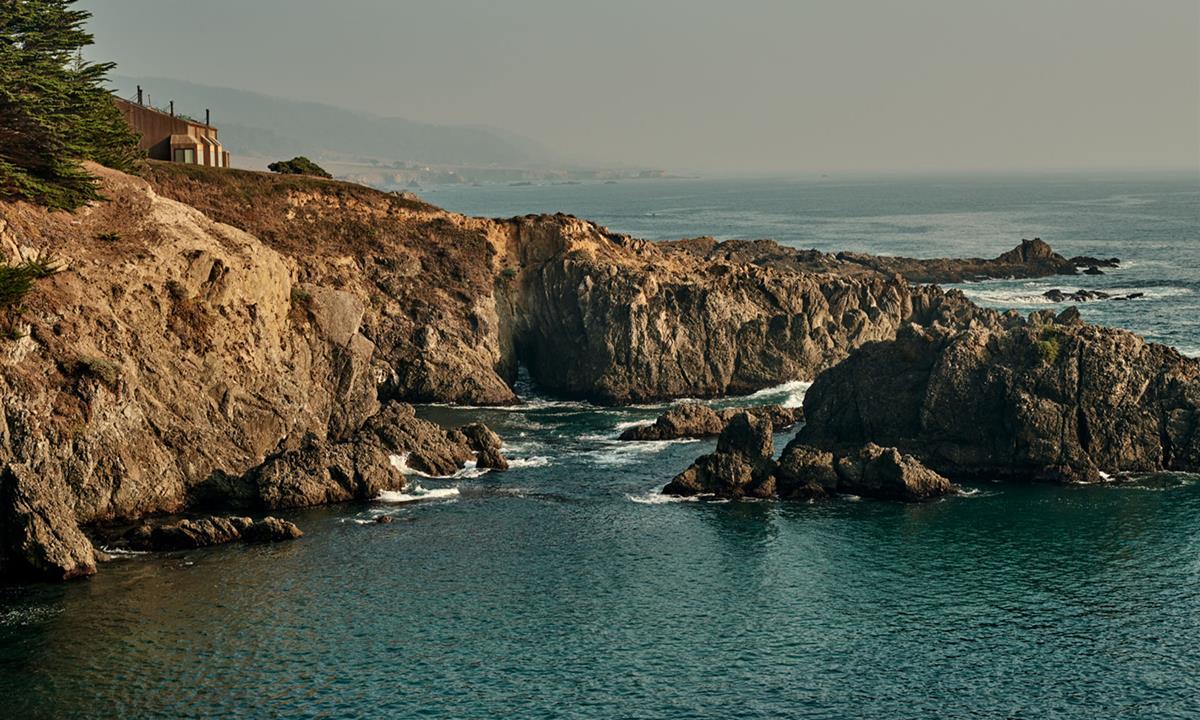
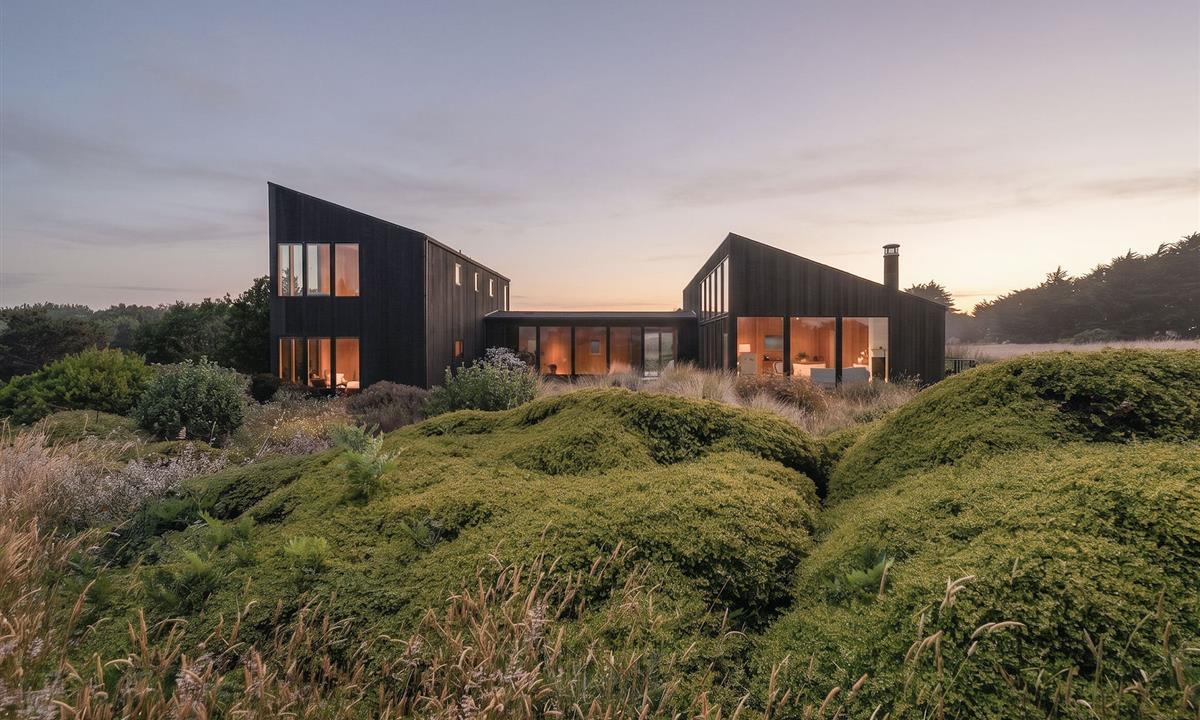
The Sea Ranch occupies a ten-mile stretch of the northern Sonoma Coast where meadows, cypress hedgerows and forested ridges meet the Pacific. Developed as a planned community beginning in the 1960s, its architecture was guided by landscape architect Lawrence Halprin and a broader philosophy of working with the land rather than dominating it. Weathered materials, compact building forms and protected open spaces continue to shape its distinctive sense of place (The Sea Ranch Association, The Sea Ranch Lodge Story).
The setting feels secluded, but nearby communities make it possible to add art, food and coastal history without spending the entire weekend in the car. Gualala supports year-round exhibitions and performances through the Gualala Arts Center, while Gualala Point Regional Park follows the river toward its meeting with the Pacific. Farther north, Point Arena offers a working harbor, open headlands and a historic lighthouse with museum access and scheduled tower tours (Gualala Arts, Gualala Point Regional Park, Point Arena Lighthouse).
Why Stay at The Sea Ranch Lodge
The Sea Ranch Lodge serves as a natural base for exploring this stretch of coast. Its 17 guest rooms preserve the property’s restrained architectural character while introducing contemporary comfort. Rooms are TV-free, and accommodations offer meadow, cove or Pacific views, with fireplaces available in many room categories. Guests have immediate access to the Bluff Trail (The Sea Ranch Lodge Rooms).
Dining can remain part of the stay rather than another drive. The Lodge offers a casual café experience during the day and more elevated evening dining centered on seasonal, locally sourced ingredients. Its farm also contributes fresh ingredients and hosts programming that connects food to the surrounding landscape (The Sea Ranch Lodge FAQ).
Trail access requires a little advance understanding. The Sea Ranch contains more than 50 miles of trails, but many are private and reserved for owners, their guests and eligible renters. The public can use six designated Sonoma County trails leading from Highway 1 through meadow or forest toward the coast. Individual routes vary considerably, and several beaches require stairs or travel over uneven ground (The Sea Ranch Association Trails, North Coast Access Trails Map).
A Two-Night Sonoma Coast Itinerary
-
Friday: Arrive before dark when possible, particularly if you are unfamiliar with the winding coastal portion of Highway 1. Settle into the Lodge, take a short meadow or bluff walk, and remain on property for dinner.
-
Saturday: Begin with a section of the Bluff Trail, located just behind The Lodge, choose a distance suited to your group. Continue north to Gualala for the Arts Center or Gualala Point Regional Park. If time allows, drive farther north to Point Arena and confirm lighthouse and tower-tour hours before departing.
-
Sunday: Enjoy a slower breakfast, then choose one final coastal walk. Black Point Trail is only a quarter mile each way, but its beach is reached by a steep wooden staircase. Travelers seeking an easier outing can remain at bluff level or enjoy The Lodge’s meadow and ocean views before beginning the drive south (Black Point Coastal Access Trail).
When to Visit
April and May bring green coastal landscapes and spring blooms, while September and October often appeal to travelers looking beyond the summer travel period. Winter creates a quieter atmosphere suited to storm watching and fireplace evenings, although rain and road conditions require added flexibility. Coastal fog, wind and temperature changes are possible in every season, so pack layers and check weather, trail and highway conditions shortly before departure.
Travelers with mobility concerns should review individual trail descriptions rather than assuming that “coastal access” means a level route. Several public paths cross uneven ground or descend staircases, but bluff views, meadow paths and indoor gathering spaces can still provide a strong sense of the landscape without a beach descent.
Mendocino County: Coastal Villages, Working Harbors, and Anderson Valley
Mendocino County rewards travelers who allow the landscape to set the pace. Highway 1 traces headlands, river mouths and small coastal communities, while Highway 128 turns inland through redwoods and Anderson Valley. Although these areas can be combined, they should not be treated as quick stops on a single afternoon.
Mendocino
The village of Mendocino is compact enough to explore on foot, with preserved 19th-century buildings, galleries and ocean views within a few blocks. Mendocino Headlands State Park surrounds the village on three sides, and approximately three miles of trails follow the cliffs above sea arches, coves and Big River Beach. The Ford House Museum and Visitor Center adds context about the area’s Indigenous history, logging era and coastal environment (Mendocino Headlands State Park).
A satisfying visit does not require a packed schedule. Allow time for the headlands, lunch and an unhurried walk through the village. Coastal paths can be uneven and exposed to wind, so travelers with mobility concerns should review current park conditions and choose overlooks accessible from nearby roads when appropriate.
Fort Bragg
Roughly ten miles north of Mendocino, Fort Bragg feels more like a working coastal town than a preserved village. Fishing boats continue to operate from Noyo Harbor, where visitors can walk the waterfront and watch vessels return with their catch (Noyo Harbor).
The paved Noyo Headlands Trail provides a more accessible way to experience the coastline, with an eight-foot-wide surface, benches, parking and restrooms along portions of the route (Noyo Headlands Trail). Glass Beach remains a well-known stop, but visitors should leave the glass where they find it. Removing glass and other protected material from the state park is not permitted (MacKerricher Coastal Trail).
Families can also consider a rail excursion or a visit to the Noyo Center for Marine Science. Check operating calendars and reserve ticketed experiences before driving north.
Boonville and Anderson Valley
Boonville offers a compact base for exploring Anderson Valley’s wineries, farms and redwood landscapes. The Anderson Valley Museum, housed in a former school outside town, traces the area’s Indigenous heritage, logging history and local language known as Boontling (Anderson Valley Museum).
Anderson Valley works best as part of an inland Highway 128 route rather than an add-on to a full coastal day. Reserve tastings in advance, choose two or three stops, and designate a driver or arrange transportation.
Can You Visit Mendocino from The Sea Ranch Lodge?
Yes, but it is a full-day excursion rather than the 30- to 45-minute trip suggested by your average travel blog. From The Sea Ranch Lodge, travelers should allow approximately 1.5 hours each way in normal conditions, plus additional time for weather, roadwork and scenic stops.
For a relaxed day trip:
-
Leave after an early breakfast and drive directly to Mendocino.
-
Spend the morning on the headlands and in the village.
-
Have lunch locally, then choose either more time in Mendocino or a Fort Bragg extension.
-
Begin the return drive with enough daylight for the winding portions of Highway 1.
For a longer coastal extension, spend one day between Mendocino and Fort Bragg, then travel inland through Anderson Valley and Boonville the following day. This creates a natural loop toward Highway 101 and the Bay Area without retracing the entire coast.
Wine-Country Towns for a Slower Tasting Weekend
Healdsburg offers a walkable mix of tasting rooms, restaurants, and shops around its central plaza, while St. Helena provides a similarly compact base along Napa Valley’s Main Street (Sonoma County Tourism: Healdsburg Wineries, Visit Napa Valley: St. Helena). Calistoga adds mineral springs and a longstanding mud-bath tradition, while Kenwood offers a quieter Sonoma Valley setting near wineries and Sugarloaf Ridge State Park (Visit Napa Valley: Calistoga Mud Baths, Sonoma County Tourism: Kenwood).
For a relaxed trip, focus on one town or valley rather than attempting Napa and Sonoma in the same day. Reserve tastings and dinner in advance, compare current midweek rates, and arrange a designated driver or transportation when visiting multiple wineries.
Marin County: Point Reyes and Tomales Bay
Point Reyes Station is a convenient base for exploring Point Reyes National Seashore, which encompasses more than 100 square miles and roughly 150 miles of hiking trails. North along Tomales Bay, Marshall is known for waterfront oyster stops, while the bay itself is the area’s most popular kayaking destination. Stinson Beach and Bolinas suit travelers seeking a beach-focused escape (National Park Service: Outdoor Activities, MALT Highway 1 Guide, National Park Service: Kayaking).
For a day trip, choose one experience: a hike, a paddle, or time at the beach. Stay overnight if you want to combine several areas without rushing along winding Highway 1. Check current park alerts and marine conditions before heading out.
Sierra Foothills: Gold Rush Towns and Giant Sequoias
Murphys combines Gold Rush character with more than 25 tasting rooms concentrated in its walkable downtown. Nearby Calaveras Big Trees State Park preserves two groves of giant sequoias, making the area a strong choice for travelers who want wine and outdoor recreation in one trip (GoCalaveras: Things to Do in Murphys, California State Parks: Calaveras Big Trees).
Nevada City is better suited to historic architecture, galleries, and cultural stops, while Downieville appeals to experienced mountain bikers seeking a more remote base (Nevada City Chamber of Commerce, Sierra County Chamber: Mountain Biking). Choose one area for the weekend, and check road, snow, and park conditions before traveling outside summer.
Central Coast Detours Worth the Extra Drive
Half Moon Bay offers broad beaches and an accessible stretch of the California Coastal Trail. Farther south, Pescadero can be paired with wildlife viewing at Año Nuevo State Park, while Santa Cruz combines a classic beachfront amusement park with nearby redwood trails. Capitola provides a more compact beach-village experience with shops, galleries, and waterfront dining (Visit Half Moon Bay: California Coastal Trail, California State Parks: Año Nuevo, Visit Santa Cruz County, Visit Santa Cruz County: Capitola).
These towns work best as a separate weekend or an extension at the beginning or end of a Bay Area trip. They are too far from Sea Ranch or Mendocino for a relaxed two-day itinerary. Check current access requirements before planning an Año Nuevo seal-viewing visit.
Planning Your Small-Town Getaway
-
Choose by priority: Pick the Sonoma Coast for seclusion and trails, wine country for dining and tastings, Marin for a shorter outdoor escape, or the Sierra foothills for history and mountain recreation.
-
Keep the route realistic: For a two-night trip, stay within one region. Reserve lodging first, then add any essential dining, tasting, or activity reservations.
-
Compare the complete cost: Rates vary by property and date, so include parking, destination fees, tastings, and transportation when comparing options.
-
Prepare for changing conditions: Pack layers, sturdy shoes, water, and downloaded maps. Check road conditions through (Caltrans QuickMap) and review (CAL FIRE incidents) during fire season.
-
Travel with care: Remain on designated trails, respect private property, keep your distance from wildlife, and pack out what you bring (National Park Service: Leave No Trace).
Seasonal Guide: When to Visit
-
Spring, March through May: Look for coastal wildflowers and migrating gray whales. Trails can remain muddy after rain, and exposed headlands may be windy.
-
Summer, June through August: River towns are well suited to paddling and swimming, while the coast stays considerably cooler and often foggy. Inland destinations can be hot.
-
Fall, September through November: Coastal skies are often clearer, and wine country enters harvest season. Check fire and air-quality conditions before inland trips.
-
Winter, December through February: The coast becomes quieter but wetter, with opportunities for storm watching between clear days. Snow and seasonal road restrictions can affect Sierra foothill plans (Sonoma County Tourism: Seasons, National Park Service: Point Reyes Weather).
Weather, availability, and rates vary by location and date, so confirm current conditions and cancellation policies before traveling.
Sample Weekend Itineraries
These outlines keep each weekend within a manageable region while leaving room for weather changes and spontaneous stops.
The Coastal Explorer: Sea Ranch Base
-
Friday: Arrive at The Sea Ranch Lodge, settle in, and have dinner at The Lodge.
-
Saturday: Follow a nearby coastal trail in the morning, then visit Gualala and Point Arena Lighthouse before its seasonal closing time.
-
Sunday: Stop in Jenner or Bodega Bay while traveling south (The Sea Ranch Lodge, Point Arena Lighthouse).
The Wine-Country Weekend
-
Friday: Arrive in Healdsburg and explore the plaza before dinner.
-
Saturday: Schedule two tastings and a leisurely lunch within one wine region.
-
Sunday: Continue to Calistoga for a mineral soak, or remain in Sonoma County for a quieter morning before departing.
The Mountain Escape
-
Friday: Arrive in Murphys and walk Main Street.
-
Saturday: Visit Calaveras Big Trees State Park, then return to town for dinner or a tasting after parking for the evening.
-
Sunday: Enjoy breakfast and a final downtown walk before leaving (GoCalaveras, California State Parks).
The Quick Marin Getaway
-
Friday: Settle near Point Reyes Station.
-
Saturday: Choose one National Seashore hike, followed by lunch in town.
-
Sunday: Book a guided Tomales Bay paddle if conditions permit, or follow the bay north for a waterfront lunch in Marshall (National Park Service: Point Reyes).
The Family Coastal Weekend
-
Friday: Arrive in Santa Cruz or Capitola.
-
Saturday: Pair a morning among the redwoods with an afternoon at the Santa Cruz Beach Boardwalk.
-
Sunday: Explore Capitola Village or stop along Half Moon Bay’s Coastal Trail while returning north (Visit Santa Cruz County, Visit Half Moon Bay).
Where to Stay: Choosing the Right Base
Choose lodging according to the part of Northern California you plan to explore. The Sea Ranch Lodge is particularly well suited to itineraries centered on Gualala, Point Arena, and the northern Sonoma Coast. Set on 53 coastal acres, it offers 17 Lodge rooms, on-site dining, self-guided nature walks, and a separate collection of private Sea Ranch Living homes (The Sea Ranch Lodge: Lodging).
Farther south, Timber Cove Resort provides access to Jenner and Salt Point. Little River Inn is convenient for the Mendocino area, while Nick’s Cove places travelers directly on Tomales Bay. In the foothills, Murphys Historic Hotel and Nevada City’s National Exchange Hotel offer historic downtown settings. These properties are named for geographic context, without direct competitor links.
For wine-country trips, stay in Healdsburg or St. Helena for walkability, or Calistoga if spa time is central to the visit.
Before You Book
Smaller towns often have limited lodging inventory, so reserve the stay before building the rest of the itinerary. Confirm cancellation terms, total fees, pet policies, accessibility features, and late-arrival procedures directly with the property. The Sea Ranch Lodge currently limits dog-friendly Lodge rooms to first-level room types and requires advance notice (The Sea Ranch Lodge: Lodge Rooms).
What to Know Before Driving the North Coast
Highway 1 distances can appear short, but winding roads make travel slower than mileage suggests.
-
Download maps, reservation details, and directions before entering areas with limited cellular service.
-
Begin remote stretches with sufficient fuel or charge, rather than relying on the next town.
-
Check closures and road conditions through (Caltrans QuickMap) before departure.
-
For coastal walks, review current weather, tide, and trail advisories. Remain on designated public-access trails and stay back from unstable cliff edges (National Park Service: Coastal Hiking Safety).
Frequently Asked Questions
What is the best small-town getaway in Northern California?
The right choice depends on the trip. Choose Sea Ranch and Gualala for coastal quiet and design, Healdsburg for wine and dining, Point Reyes for a shorter outdoor escape, Murphys for Gold Rush history, or Santa Cruz and Capitola for a family-friendly beach weekend.
How far in advance should I book accommodations?
Book as soon as your dates are firm for summer, harvest season, holiday weekends, or properties with limited room counts. Midweek and shoulder-season dates may offer more availability, but rates vary by property and date.
Are these destinations good for solo travelers?
They can be. Choose a walkable base, schedule remote hikes during daylight, download maps, and share your route with someone when entering areas with limited cellular service.
What is the most budget-friendly option?
No destination is consistently the least expensive. A day trip to Marin or Half Moon Bay avoids lodging costs, while motels, cabins, and stays outside central wine-country towns may reduce the total. Compare parking, fees, transportation, and activity costs alongside the room rate.
Can I visit multiple towns in one weekend?
Yes, when the towns belong to the same region. Realistic combinations include Sea Ranch, Gualala, and Point Arena; Point Reyes Station and Marshall; or Santa Cruz and Capitola. Avoid combining distant coastal, wine-country, and mountain destinations in one short trip.
What accessibility considerations should travelers know about?
Accessibility varies considerably among historic inns, beaches, and unpaved trails. Confirm accessible rooms and routes directly with lodging properties, and consult official park information for parking, restrooms, trail surfaces, and mobility programs. Half Moon Bay State Beach and Año Nuevo State Park publish detailed accessibility guidance (California State Parks: Half Moon Bay Accessibility, California State Parks: Año Nuevo Accessibility).
Are Northern California small towns crowded in 2026?
Popular towns, beaches, tasting rooms, and trailheads can still be busy on summer and harvest-season weekends. Arrive early, consider midweek dates, and check local event calendars before traveling. The National Park Service specifically recommends early-morning or midweek visits to Point Reyes (National Park Service: Point Reyes Visitor Tips).
A Quiet Place to Begin
Northern California’s small towns reward travelers who leave room between stops. Choose one region, settle into a thoughtful base, and allow the weather, landscape, and local rhythm to shape the weekend.
For a journey centered on the northern Sonoma Coast, The Sea Ranch Lodge offers a quiet home base within easy reach of Gualala and Point Arena. Walk beside the meadow and bluffs, return for a seasonal dinner, and begin the next morning with the Pacific close at hand. Explore the Lodge’s guest rooms and Sea Ranch Living homes to start planning your stay (The Sea Ranch Lodge: Lodging).
Latest Articles
Resort Information, Community
5 Quiet Coastal Towns in California for a Peaceful Retreat
The Sea Ranch, Mendocino, Cambria, Cayucos, and Shelter Cove offer five different ways to enjoy a quieter California coast.
Resort Information, Community
Sea Ranch Family Getaways 2026: Lodge vs Rentals vs Towns
For a Sea Ranch family getaway in 2026, choose The Sea Ranch Lodge if you want on-site hospitality, dining and direct access to the Bluff Trail.
Resort Information
Nature Immersion & Quiet Coastal Living
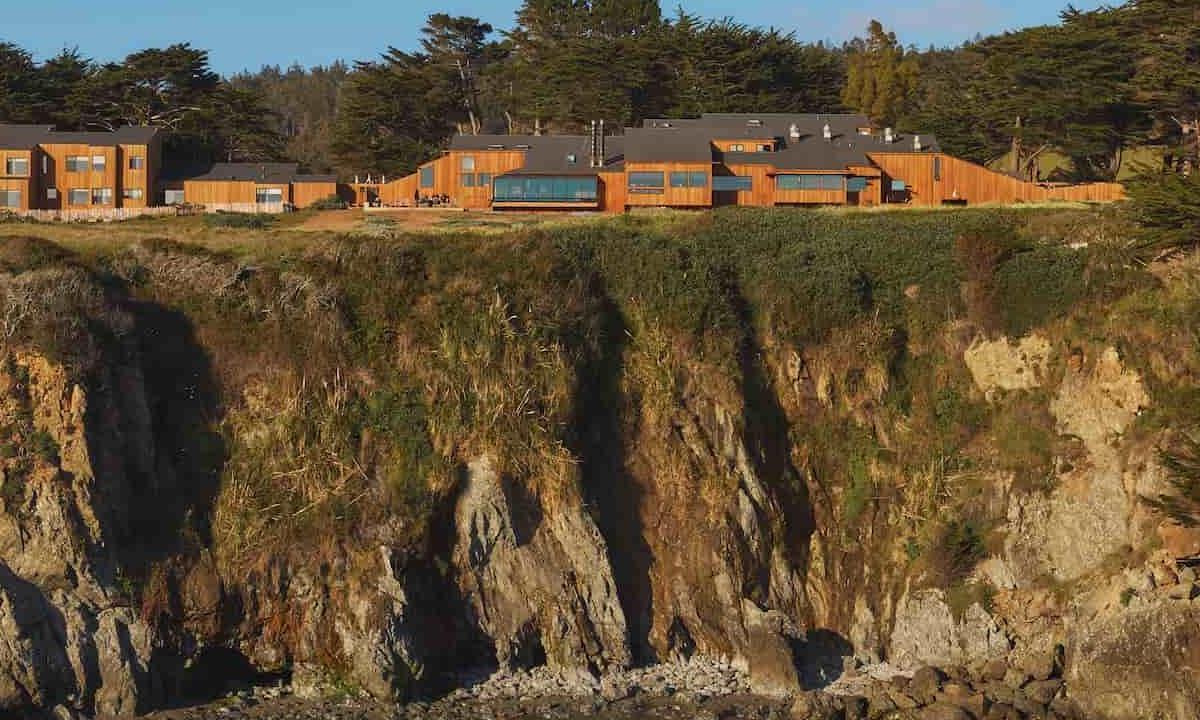
If you’re looking for a truly quiet coastal retreat — the kind of place where restoration feels natural, not scheduled — The Sea Ranch Lodge offers a rare kind of escape on the Sonoma Coast.
Resort Information
The Architecture-Led Coastal Retreat
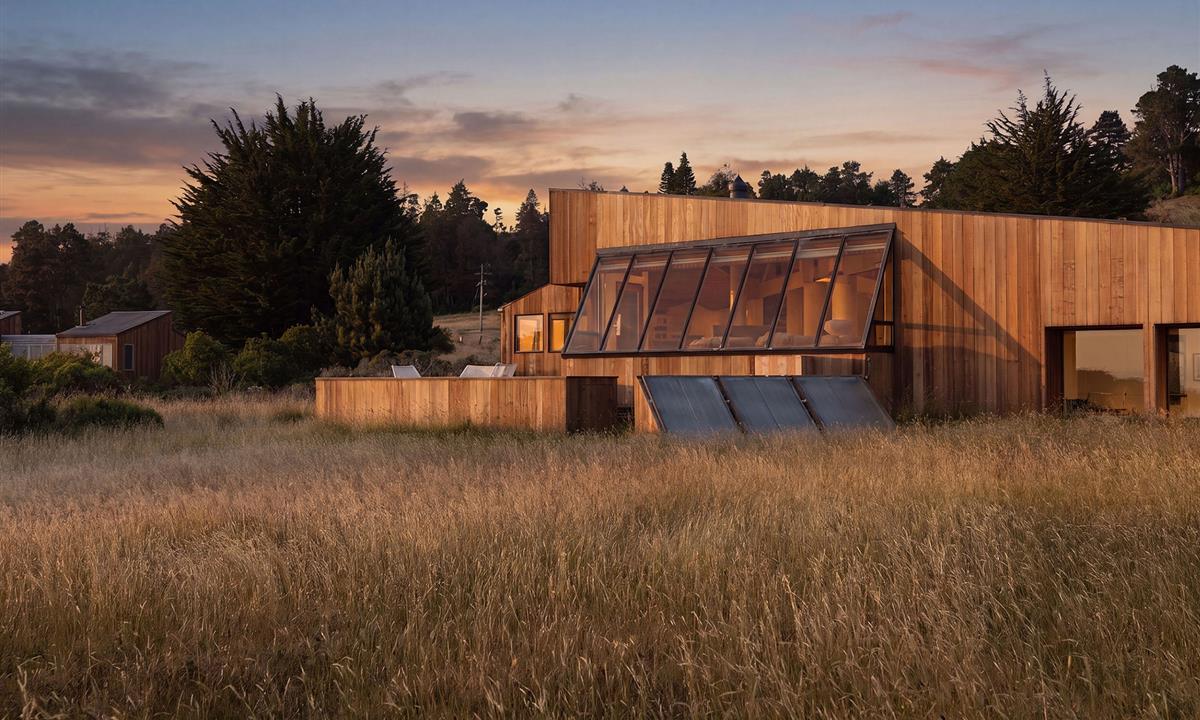
The Sea Ranch Lodge is one of the clearest examples of design-led hospitality on the California coast, where architecture isn't simply part of the experience — it is the experience. Set along 10 miles of Sonoma coastline, The Lodge draws upon local materials, embraces simple forms and imparts a deliberate sense of quiet that encourages guests to slow down and reconnect with nature.
Resort Information
3 Signature Stays at The Sea Ranch Lodge: Design, Romance & Reset
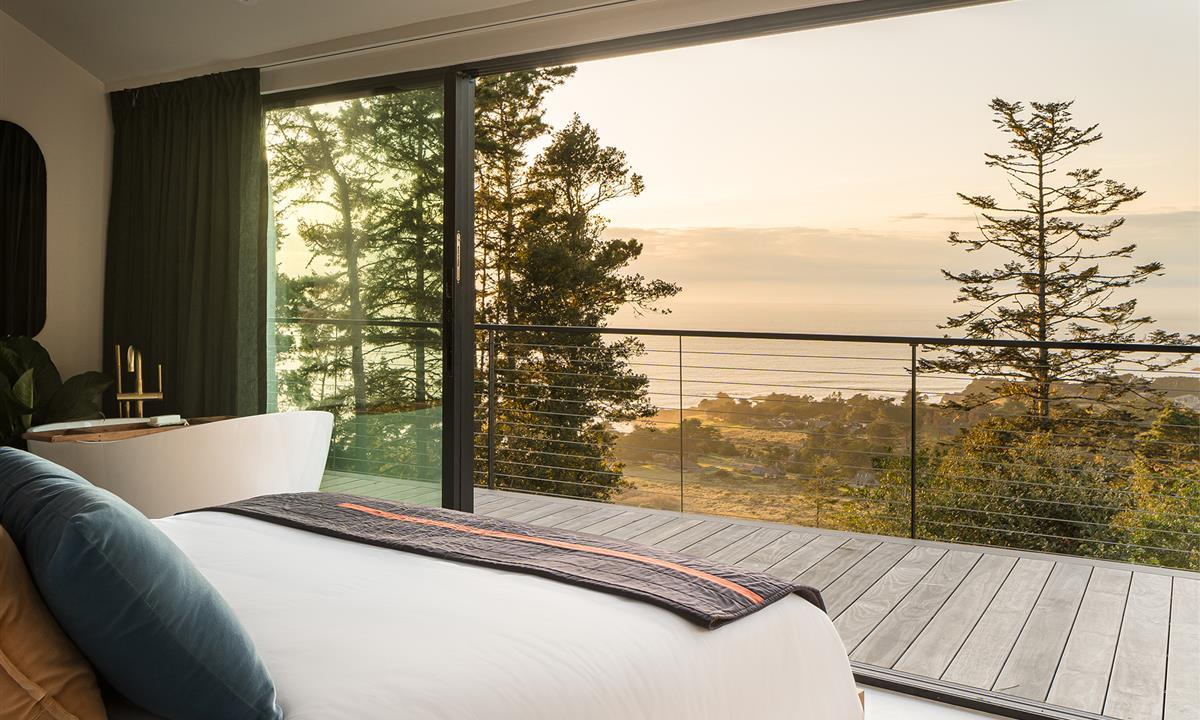
The Sea Ranch Lodge offers three distinctive accommodations designed to enhance your stay: the architecture-inspired “Design” suite, the intimate “Romance” suite perfect for couples, and the “Reset” suite created for rejuvenation and relaxation.
Resort Information, Events
Plan a 2026 Coastal Retreat at The Sea Ranch Lodge
If you want a retreat that elevates strategy and creativity, choose the coast. The Sea Ranch Lodge sits on 53 oceanfront acres and offers multiple meeting space options for up to 50 people, with larger event capacity for celebrations.
Resort Information, Community, Events
Northern California Small-Town Getaways: 2026 Ultimate Guide
Northern California’s best small-town getaways range from fog-cooled communities along Highway 1 to redwood river towns, walkable wine-country centers, and Gold Rush destinations in the Sierra foothills.